

Parallel Parking: Complete Guide
Contents:
Have you ever driven past multiple parking spots just to avoid parallel parking? You’re not alone. Even experienced drivers find this maneuver stressful. However, with the right techniques and regular practice, it can become second nature. This guide will help you build confidence and turn parking into a smooth, effortless process.
What Is Parallel Parking?
Parallel parking involves positioning your vehicle parallel to the curb, typically between two parked cars. It requires precision, spatial awareness, and proper steering. The key is maintaining the right distance from the curb and other vehicles to ensure a safe and smooth parking experience.
There are two main approaches: reverse parallel parking and forward parallel parking. Each has its advantages in different situations. Below, we’ll break down both methods so you can choose the one that works best for you.
Once you understand the basics, you’ll realize parallel parking isn’t as intimidating as it seems—it’s just another everyday driving skill.
Step-by-Step Guide to Reverse Parallel Parking
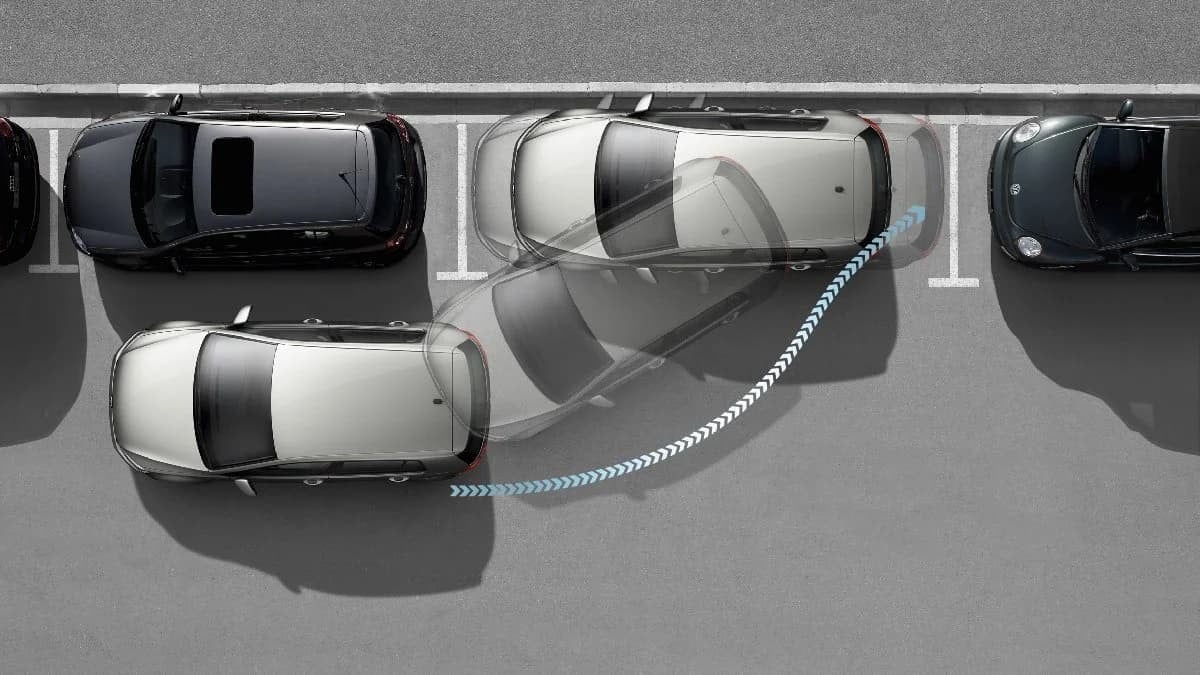
Reverse parking is the most efficient way to parallel park. Follow these steps:
- Adjust Your Mirrors – Ensure your side mirrors provide a clear view of your vehicle’s sides and rear.
- Find an Appropriate Parking Spot: Look for a space that is approximately 1.5–2 meters longer than your vehicle.
- Position Your Vehicle – Align your car parallel to the vehicle in front of the empty space, leaving about 60 cm of space between them.
- Signal Your Intent – Turn on your indicator early to alert other drivers. Check your mirrors for approaching traffic.
- Start Reversing – Begin backing up slowly. When your rear axle aligns with the back of the parked car, turn the steering wheel fully toward the curb.
- Angle Your Car – Continue reversing at about a 45-degree angle.
- Straighten the Steering Wheel – When the rear corner of the car behind you appears in your left mirror, begin straightening the wheel.
- Adjust as Needed – Make small corrections to ensure your car is properly positioned between the two parked vehicles.

Parking scheme
Parallel Parking Forward
Parallel parking forward is used less frequently as it requires more space and can be more challenging to execute. However, in some situations, this maneuver can be useful. Here’s how to perform it:
- Align Your Car – Position your vehicle parallel to the parked car ahead of the space.
- Turn the Steering Wheel – Turn fully toward the parking space before moving forward.
- Move Forward Slowly – Maintain control as you maneuver into the space.
- Adjust the Angle – When your front bumper aligns with the rear bumper of the parked car, turn the wheel in the opposite direction.
- Fine-Tune the Position – Make necessary corrections to ensure your car is properly aligned with the curb.
This method requires more space and is trickier but can be beneficial in certain parking situations.
How to Make Parking Easier
Don’t rush—it's better to park calmly and precisely, even if it takes more time. Ignore pressure from other drivers, and if you lack confidence, practice in an empty lot or a quiet area.
Modern technology offers several solutions to simplify parking:
- Parking Sensors – Provide audible and visual alerts based on proximity to obstacles, helping gauge distances.
- Reversing Camera – Displays a clear image of the area behind the vehicle, with guiding lines showing the expected path.
- 360-Degree Camera System – Offers a bird’s-eye view of your surroundings, aiding in precise positioning.
- Parking Assistant. This is the most advanced system: it not only detects a suitable parking space but also takes control of the steering wheel. The driver only needs to operate the gas and brake pedals while following the system’s instructions.
Always prioritize safety—limited visibility when reversing requires extra caution.
Summary
Parallel parking is a valuable skill that gets easier with practice. Understanding the fundamentals and staying patient will help you master this maneuver. Incorrect parking can lead to fines or towing, so it’s worth taking the time to get it right.
Stay calm, use your mirrors effectively, and take advantage of available parking aids. Every driver starts as a beginner, but with practice, parallel parking will soon feel effortless.