

Perpendicular Parking – A Driver’s Guide
Contents:
It’s Monday morning, and you’re running late for work. As you pull into the office parking lot, you spot the only available space. Your heart races, your hands grip the steering wheel tightly, and you wonder—can you park quickly and properly without any trouble? Sound familiar?
Studies show that nearly 20% of minor parking lot accidents occur during parking maneuvers. Often, the issue isn’t a lack of driving skill but rather rushing and not using the proper techniques. This guide will help you master perpendicular parking safely and confidently. You’ll learn expert-backed techniques and discover how to avoid common mistakes.
What is Perpendicular Parking?
Perpendicular parking involves positioning your car at a 90-degree angle to the curb or marked lines. It is one of the most common parking methods, especially in shopping centers, office buildings, and large parking lots.
Successfully performing this maneuver requires good spatial awareness and vehicle control. Ideally, a perpendicular parking space should be at least 2.3 meters wide and 4.5 to 5 meters long to provide enough room for maneuvering.
There are two ways to execute this maneuver: parking front-first or reversing into the spot. Each method has its own advantages and challenges, which we’ll explore in detail later.
Regardless of your approach, mastering perpendicular parking requires attention to:
- Checking your surroundings using mirrors and blind spots.
- Maintaining an appropriate distance from curbs and nearby vehicles.
- Timing your turns precisely.
- Adjusting speed for a controlled maneuver.
Reverse Perpendicular Parking
Reverse parking is widely considered the safest and most effective method. While many drivers opt for forward parking because it appears simpler, reversing into a spot offers several advantages: better visibility when exiting, increased maneuvering accuracy, and, most importantly, greater safety.
Step-by-Step Instructions
- Preparation:
- Align your car parallel to the row of parked vehicles.
- Keep a distance of about 1.5 to 2 meters from the parked cars.
- Signal your intention using the appropriate turn indicator.
- Ensure the area is clear of pedestrians and other vehicles before proceeding.
- When to Turn:
- Begin turning when your rear wheels align with the edge of the selected parking space.
- Turn the steering wheel fully toward the spot.
- Monitor your surroundings using your mirrors.
- Executing the Maneuver:
- Reverse slowly, keeping full control of the vehicle.
- When your car reaches a 45-degree angle, start straightening the wheel.
- Maintain equal space between your car and neighboring vehicles.
- Once inside the space, straighten the wheels completely.
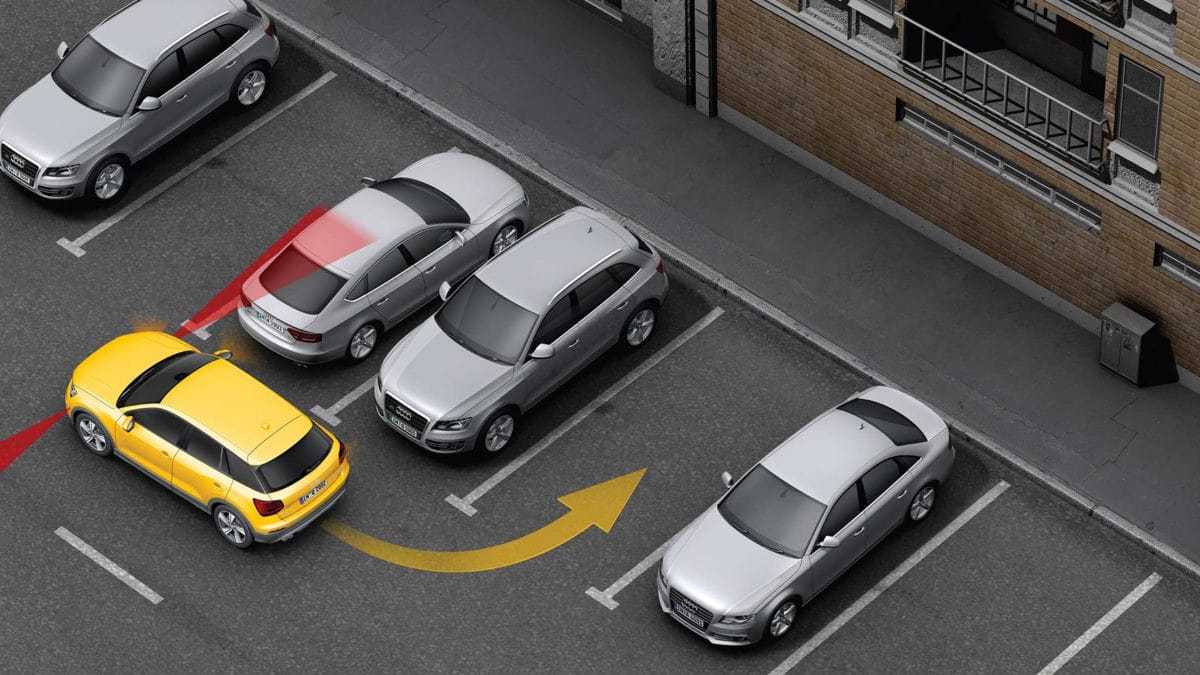
Parking scheme
Common Mistakes in Reverse Perpendicular Parking
- Not leaving enough space before starting the turn.
- Turning the wheel too early or too late.
- Straightening the wheels too soon or too late.
- Failing to check surroundings using mirrors.
- Moving too quickly while reversing.
Reverse perpendicular parking requires practice. Beginner drivers may feel intimidated by this maneuver, but over time, it becomes intuitive and natural.
Front-First Perpendicular Parking
Although forward perpendicular parking appears to be the easiest option, it actually requires precise steering and awareness of the surrounding space. To park front-first safely, follow these step-by-step instructions.
Step-by-Step Parking Technique
- Preparation for the Maneuver:
- Select a suitable parking spot.
- Keep a safe distance from the row of parked cars.
- Activate the turn signal in the direction of the spot.
- Reduce your speed to a safe level.
- When to Turn:
- Begin turning when your front mirror aligns with the edge of the car next to your space.
- Steer confidently into the parking space.
- Aim for an entry angle close to 90 degrees.
- Final Phase of Parking:
- Enter the space slowly, ensuring even gaps on both sides.
- Check your alignment and make small adjustments if necessary.
- Stop at a safe distance from the curb or parking line.
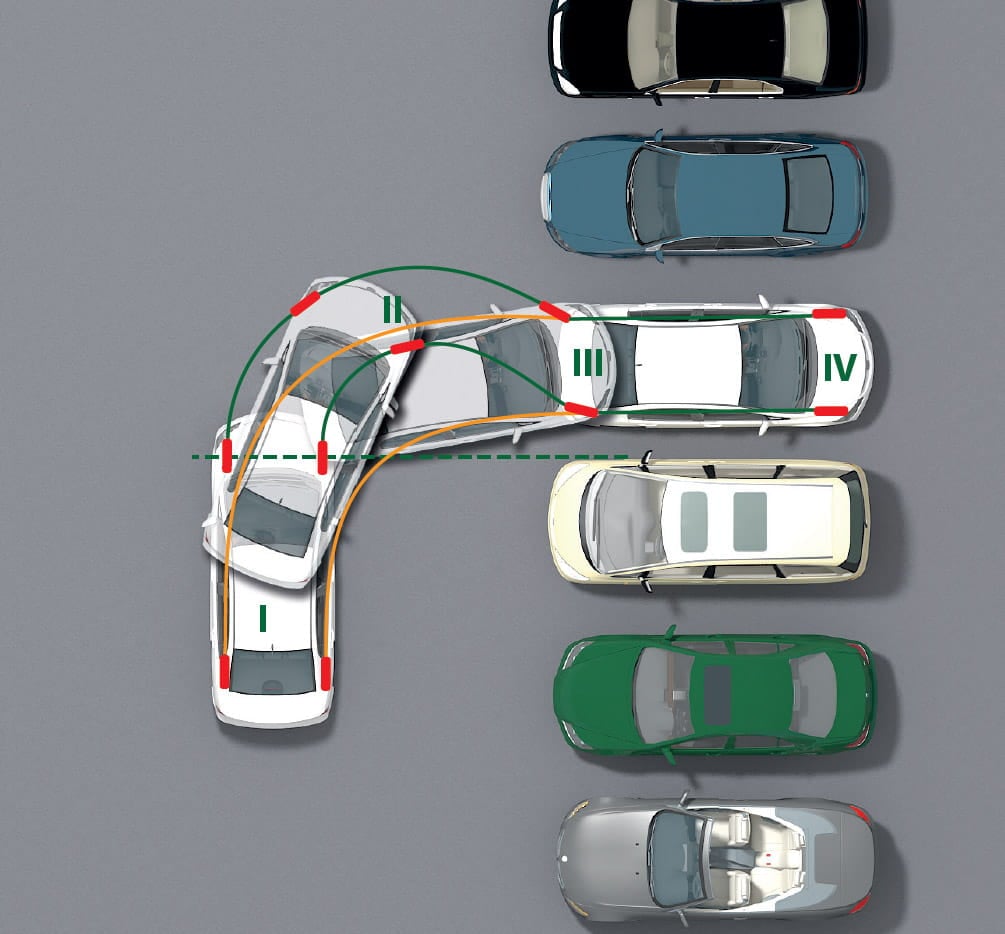
Parking scheme
Key Safety Considerations
- Always ensure there is enough space to complete your maneuver.
- Be cautious of pedestrians, especially in busy parking lots.
- Remember that exiting the spot will involve limited visibility.
- If necessary, readjust your position rather than leaving your car poorly aligned.
Main Challenges of Front-First Parking
- Judging the available space accurately.
- Turning at the correct angle.
- Keeping a safe distance from neighboring cars.
- Limited visibility when backing out of the space.
Although forward perpendicular parking might seem more convenient, it requires extra care when leaving the space. Many experts recommend practicing both methods to be prepared for various parking situations.
Other Important Considerations for Perpendicular Parking
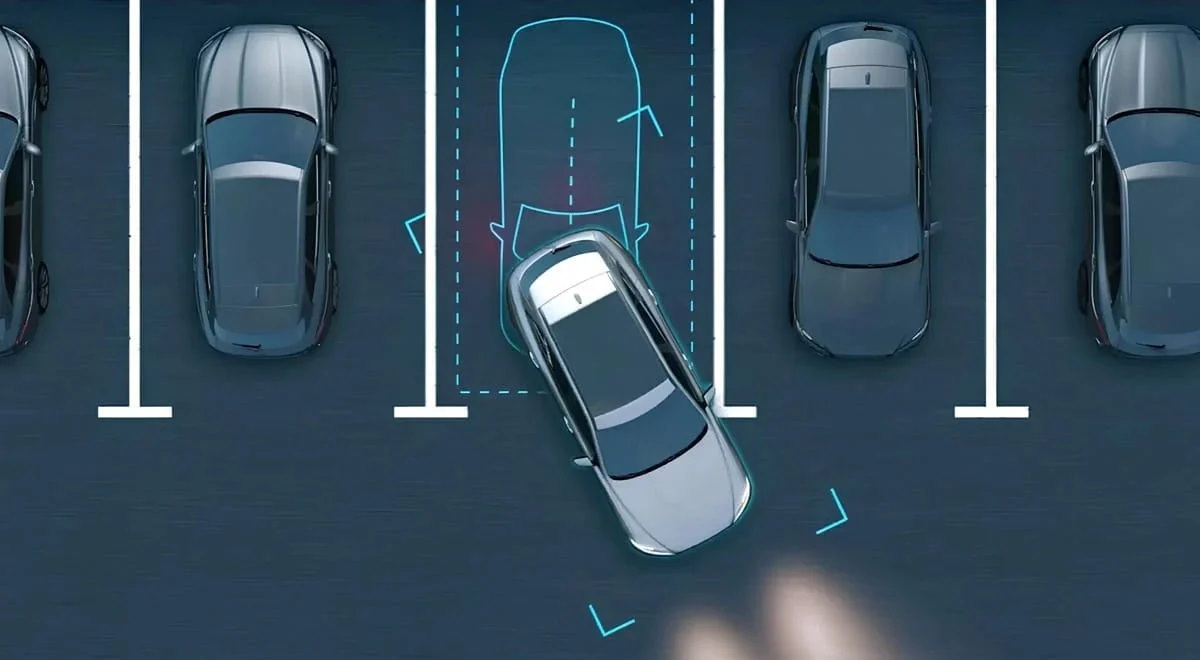
Modern vehicles often come equipped with parking assistance features such as sensors, rearview cameras, and side mirrors that tilt downward for better visibility. While these technologies can be helpful, they should never replace a driver’s awareness and judgment.
Parking in challenging conditions—such as low visibility, wet pavement, or tight spaces—requires even greater caution. Ideally, the parking area should have clear markings, and the surface should not be excessively sloped.
Another essential aspect of perpendicular parking is proper parking etiquette. If you accidentally damage another vehicle, leaving your contact details is a sign of responsibility and respect for fellow drivers.
Conclusion
With practice, perpendicular parking can become second nature. By following the techniques outlined in this guide, you’ll not only make parking easier but also improve overall safety in parking lots. Confidence in parking comes from experience, and regular practice leads to smoother, stress-free maneuvers.