

All goods VAG
Spare parts
All products of the section
- Air Filter(19)
- Alternator belt(3)
- Brake discs(8)
- Brake pads(7)
- Fuel filter(14)
- Glow plugs(3)
- Halogen bulbs(2)
- Oil filter(24)
- Alternator belt(3)
- Engine Bearings(3)
- Gaskets and gasket kit(288)
- Oil filter housing(2)
- Timing belt(7)
- Timing belt kit(6)
- Bushings(16)
- Camshaft(1)
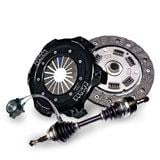
- Gaskets and gasket kit(288)
- Bearing gearbox(32)
- Bushings(16)
- CV Boot(1)
- Clutch Mounting Components(4)
- Clutch Release Bearing(2)
- Clutch cable(3)
- Clutch master cylinder(2)
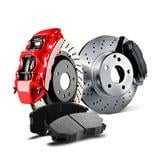
- Brake discs(8)
- Brake pad wear sensor(2)
- Brake pads(7)
- Brake caliper repair kit(2)
- Brake dust shield(18)
- Brake hose(8)
- Brake pipe(3)
- Brake repair kit(2)
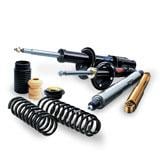
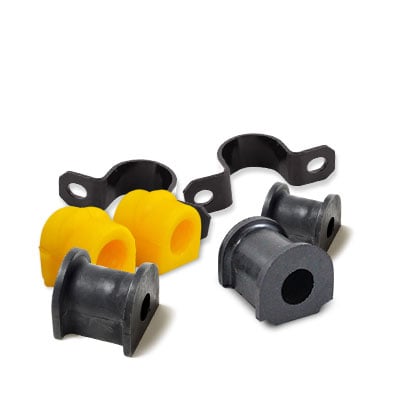
- Anti roll bar bushes(16)
- Ball joint(3)
- Control arm(2)
- Gaskets and gasket kit(288)
- Shock Absorber Dust Cover & Bump Stops(11)
- Shock absorber(3)
- Steering knuckle(6)
- Suspension bushes(8)
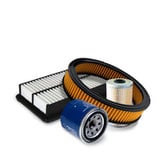
- Air Filter(19)
- Fuel filter(14)
- Oil filter(24)
- Pollen Filter(2)
- Automatic Transmission Filter(10)
- Fuel pump strainer(2)
- Fuel vapor filters(3)
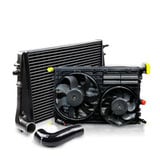
- Coolant flange(18)
- Coolant temperature sensor(4)
- Engine Thermostat(31)
- Gaskets and gasket kit(288)
- Radiator(4)
- Water Pump(19)
- Coolant expansion tank(12)
- Coolant hose(84)
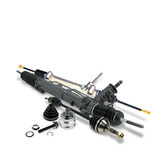
- Gaskets and gasket kit(288)
- Tie rod(2)
- Bushings(16)
- Power Steering Pipe(4)
- Power Steering Pump(2)
- Power steering pulley(4)
- Power steering reservoir(3)
- Steering Column(5)
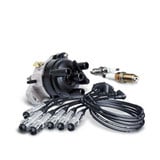
- Glow plugs(3)
- Ignition Coil(2)
- Spark plugs(20)
- Battery cables and terminals(7)
- Battery holder(24)
- Distributor(14)
- Ignition Leads(1)
- Ignition lock(2)
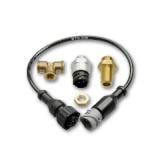
- ABS Sensor(2)
- Brake pad wear sensor(2)
- Coolant temperature sensor(4)
- Lambda Sensor(10)
- Mass Air Flow Sensor(5)
- Oil pressure sensor(16)
- AC pressure switch(2)
- Acceleration sensor (ESP)(3)
- Relay(3)
- Adhesive tape and electrical tape(1)
- Bulb socket(33)
- Buttons and switches(46)
- Camshaft adjustment valve(10)
- Car Cigarette Lighter(6)
- Control units(9)
- Dashboard(2)
- AC Compressor(3)
- AC blower motor(2)
- AC Evaporator(1)
- AC pressure switch(2)
- AC receiver drier(2)
- Air Conditioning Pipe(8)
- Air Duct(55)
- Blend door actuator(3)
- Fuel filter(14)
- Fuel injector(10)
- Fuel pump(4)
- Gaskets and gasket kit(288)
- Carburetors, parts and components(7)
- Fuel filter housing(1)
- Fuel line(45)
- Fuel pressure regulator(2)
- Bolts and nuts(738)
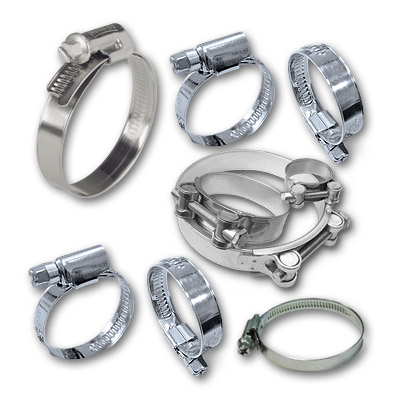
- Clamps(35)
- Clips(67)
- Corks and Caps(147)
- Flanges(8)
- Machine screws(57)
- Plate screws(7)
- Retaining ring(28)
- Lambda Sensor(10)
- EGR cooler(6)
- EGR valve(16)
- Exhaust clamp(1)
- Exhaust gas temperature sensor(6)
- Exhaust hanger(1)
- Exhaust manifold(1)
- Exhaust mounting kit(3)
- Air filter housing(2)
- Air filter pipe(9)
- Air intake pipe(25)
- Boost pressure control valve(1)
- Exhaust pipe gasket(21)
- Intake manifold(13)
- Intercooler pipe(19)
- Throttle body(5)
- Adhesive tape and electrical tape(1)
- Alternator clutch pulley(2)
- Alternator repair kit(1)
- Bendix starter(5)
- Bushings(16)
- Fuses(13)
- Starter motor repair kit(2)
- Wires and cables(25)
Body parts
All products of the section
- Adhesive tape and electrical tape(1)
- Fog light cover(1)
- Fuses(13)

- Bumper bracket(164)
- Bumper cap(20)
- Front grill(13)
- Door handle(33)
- Door hinges and guides(38)
- Door lock(43)
- Door moulding(14)
- Door opening cables(13)
- Door seals(5)
- Door trim(1)
- Ignition keys(1)
- Front grill(13)
- Hood hinges(15)
- Hood lock(28)
- Ropes and handles of opening hood and trunk(60)
- Seals and dampers Bonnet(26)
Wheels and tires
All products of the section
- Mouting Sets and accessories for spare wheels(1)
Lighting
All products of the section
- Halogen bulbs(2)
- Headlights(2)
- Fuses(13)
- Headlight dust covers, caps and seals(7)
- Headlight frames and covers(13)
- Tail lights(15)
- Lining and frame rear light(2)
- Reflector(38)
- Third brake light(15)
- Adhesive tape and electrical tape(1)
- Fog light cover(1)
- Fuses(13)
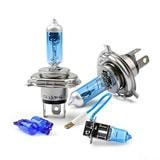
- Dashboard bulbs(1)
- Halogen bulbs(2)
- Interior light bulb(2)
- Fuses(13)
- Power wires and adapters for lamps(19)
- Dashboard bulbs(1)
- Interior light bulb(2)
- Adhesive tape and electrical tape(1)
- Fuses(13)
- Interior lights(5)
Audio and electronics
All products of the section
Interior
All products of the section
- Adhesive tape and electrical tape(1)
Exterior
All products of the section- Bumper bracket(164)
- Bumper cap(20)
- Front grill(13)
- Wing mirror(8)
- Interior rear-view mirror(3)
- Mirror adjustment switch(1)
- Side mirror lights and turn signals(4)
- Wing mirror glass(2)
- Hood vents and air intakes(3)

- Adhesive tape and electrical tape(1)
- Emblems(18)
- Inscriptions(1)
- Stickers(2)
- Wiper blades(12)
- Fasteners, trim, spoiler wiper(17)
- Headlamp washer jets(17)
- Tube washer system(9)
- Washer fluid reservoir(14)
- Washer pump(7)
- Windscreen washer jets(24)
- Wiper arm(14)
Tools and equipment
All products of the section
- Adhesive tape and electrical tape(1)
- Keys and key sets(1)
Popular Products VAG


The history of the Volkswagen concern began in the German city of Wolfsburg in 1934. Ferdinand Porsche is a famous German designer and engineer (founder of the world famous German automobile company Porsche AG), who devoted 4 years of his life to creating the first “people's car” (“volk” - people, “wagen” - car, German) , stood at the origins of the future legend of the world automotive industry. Already in 1935, the Volkswagen VW30, nicknamed the Beetle, was developed. Later it became the name of the car. After the war, the Wolfsburg plant fell into the British occupation zone. In 1945, the British ordered the plant to manufacture 20 thousand cars. Since 1947 Volkswagen began exporting cars to other European countries. Volkswagen auto parts along with cars began to be supplied to Holland and other neighboring countries. The concern seized its real leadership in building a system of lending and car sales. Now, only after the defeat of Hitlerism, the famous "Beetle" has become a truly people's car, repeating the success of the Ford T in America. In 1949, a prototype of the second Volkswagen legend, the Bulli, appeared - a small but roomy and reliable, and most importantly - inexpensive and easy-to-maintain commercial minibus. In various modifications, the "Goby" was produced until the early 1980s, and the famous "Beetle" itself - until 1971, when its production was moved to Mexico. In the 1970s, the company launched models that became iconic for a long time: the front-wheel-drive Passat, Golf (1973) and Polo (1975). Each has undergone several reprints and served as the basis for the development of modern models of the company. Today, the Volskwagen-Audi AG alliance produces cars of all categories from minicars to SUVs and minibuses of the brands Volskwagen, Audi, Bentley, Bugatti, Lamborghini, Rolls-Royce, Seat, Skoda